
Tuning Into Reality
Connecting to the world
Waiting for the first scene…
Waiting for the first scene…
Public chatShow chat
LivePrivate chat with
LivePrivate chat with
LivePrivate chat with
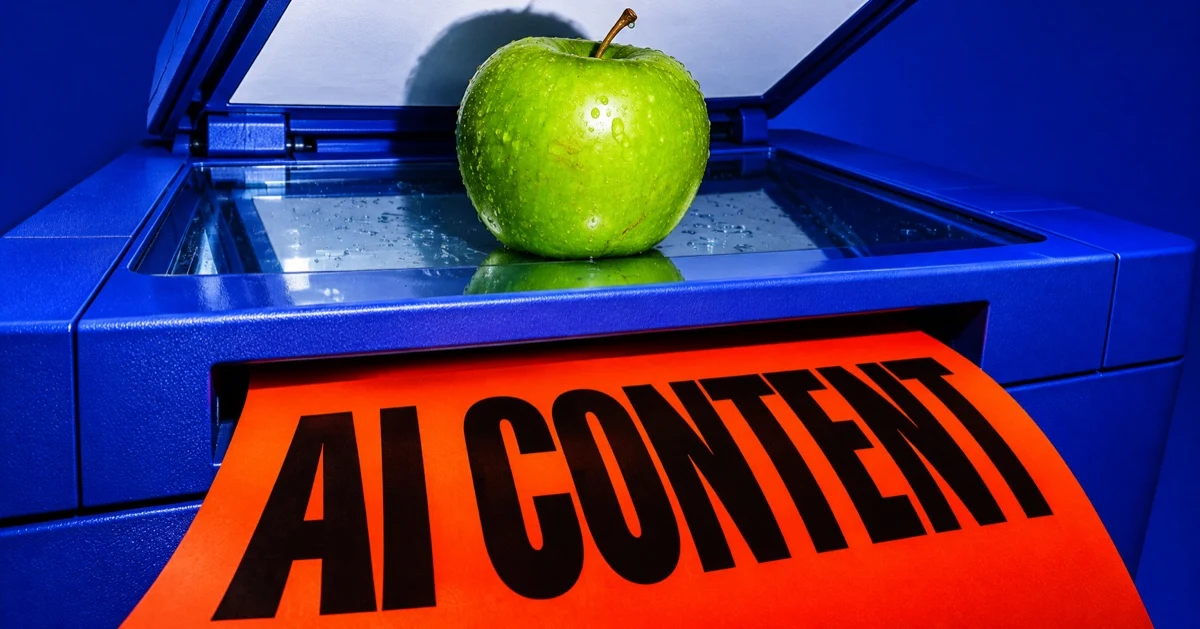
Instagram adds an AI Content label to Reels when a creator discloses AI use or when Meta detects signals that indicate AI was involved. Creators must use Add AI label when an organic post includes photorealistic video or realistic-sounding audio that was digitally generated or altered. Meta’s 2026 disclosure guidance
A photographer retouches a real image and Instagram flags it as AI. A synthetic clip shows up in your feed without a visible badge. Both can happen because Instagram’s labels depend in part on what creators disclose and what signals Meta can detect. The label can tell you something about how a post was made, but it may tell you very little about which parts were generated. Meta’s labeling policy · The Verge’s 2026 reporting
For organic posts, Meta says creators must use its disclosure tool when a post contains photorealistic video or realistic-sounding audio that was digitally generated or altered. That covers an AI-generated scene that looks like camera footage, a realistic synthetic voiceover on footage you shot yourself, and a voice clone that makes someone appear to say new words. Check the picture and sound independently. A cartoon can still require disclosure if its narrator sounds like a real person. Meta says it may apply penalties when creators skip a required disclosure. Meta’s 2026 policy statement · Instagram disclosure examples
| What’s in the organic post? | What should you do? |
|---|---|
| A photorealistic AI-generated product demo or scene | Turn on Add AI label. |
| Camera-shot footage with a realistic AI narrator or cloned voice | Turn on Add AI label. |
| A cartoon-style animation with no realistic synthetic audio | Meta’s stated video-and-audio rule leaves this outside mandatory self-disclosure. Automatic labeling can still apply. |
| A standalone AI-generated still image | Instagram can label it automatically. Its published video-and-audio rule does not require creator disclosure for the still. |
| Recorded video with standard trims and a caption drafted with AI | Those changes alone fall outside the stated rule. |
In the Instagram app, look for Add AI label on the final sharing screen for a post or Reel. If you want to explain the production choices, add a line in the caption too. “Shot on location. Narration generated with AI” tells viewers exactly what they’re hearing. Use the in-app toggle whenever disclosure is required. Instagram Help Center · Publishing walkthrough
There are two ways a label can appear. The uploader can disclose AI use, or Meta can apply a label based on signals it detects. Meta cites industry standards such as C2PA, which lets compatible tools record information about a file’s origin and edits. Meta has also described using invisible watermarks in its own generated images. An editing app can attach an AI signal after a small retouch, even when a camera captured the original image. Meta’s technical explanation
That distinction is why Meta changed Made with AI to AI info in 2024. It also announced that detected AI edits would move into the post menu, while detected AI generation would still get a visible label. Instagram has also displayed the wording AI Content. In September 2026, The Verge documented fresh reports of visible labels on original photos after routine edits and found that the exact triggers remained unclear. Those reported examples involved photos and illustrate why the badge can be ambiguous. Meta’s label updates · The Verge
Automatic detection has gaps. Meta acknowledges that invisible markers can be removed and that its systems can miss some AI-generated content. In a 2025 study, AI Forensics found labels on only three of the 13 Instagram posts it identified as containing synthetic AI imagery. That was a small sample, so it tells us that some posts slipped through, rather than how often it happens across Instagram. The creator’s disclosure obligation still applies when the automatic system misses a post. Meta on detection limits · AI Forensics study · Meta’s disclosure requirement
If a label seems wrong, open the post’s three-dot menu and check what Instagram says about it. A real shoot with an AI-assisted edit might warrant a caption that spells out the change, such as “Filmed on location. AI used to clean up the background in one shot.” If the label appears in error, report it in the app with the post link, a screenshot, and a brief description of your editing steps. Instagram’s published guidance offers no guaranteed way to remove an automatic label. Instagram’s labeling help · Instagram’s technical reporting help · October 2026 review of the labeling help
Paid placements follow Meta’s ad-labeling rules. In June 2026, Meta announced it was rolling out About this ad in the three-dot menu and extending automatic detection to ads made or edited with third-party AI tools when it finds industry-standard signals. Ads about social issues, elections, or politics carry separate advertiser disclosure requirements in certain cases. Meta’s ad transparency update · Meta’s political ad guidance
For creators and production teams, the most useful check happens at final review. Which shots were generated or altered? Which voices were recorded, synthesized, or cloned? Answer those questions before publishing, use the toggle when Meta requires it, and describe the AI contribution in plain language when it helps viewers understand the work.
Yes. Turn on Add AI label when a Reel uses realistic-sounding synthetic narration, including over footage you filmed yourself. Meta’s disclosure guidance
Yes. Instagram can apply a label when it detects industry-standard signals from tools that generated or edited the media. For content Meta detects as AI-edited only, it says the information belongs in the post’s menu. Meta’s labeling policy
Meta’s published guidance on organic post labels describes the label as context for viewers and mentions possible penalties for skipping a required disclosure. It gives no general rule that a post gets less reach simply because it carries the label. Meta’s organic content policy
Related reading from Sequencer on protecting original work on Instagram