
Tuning Into Reality
Connecting to the world
Waiting for the first scene…
Waiting for the first scene…
Public chatShow chat
LivePrivate chat with
LivePrivate chat with
LivePrivate chat with
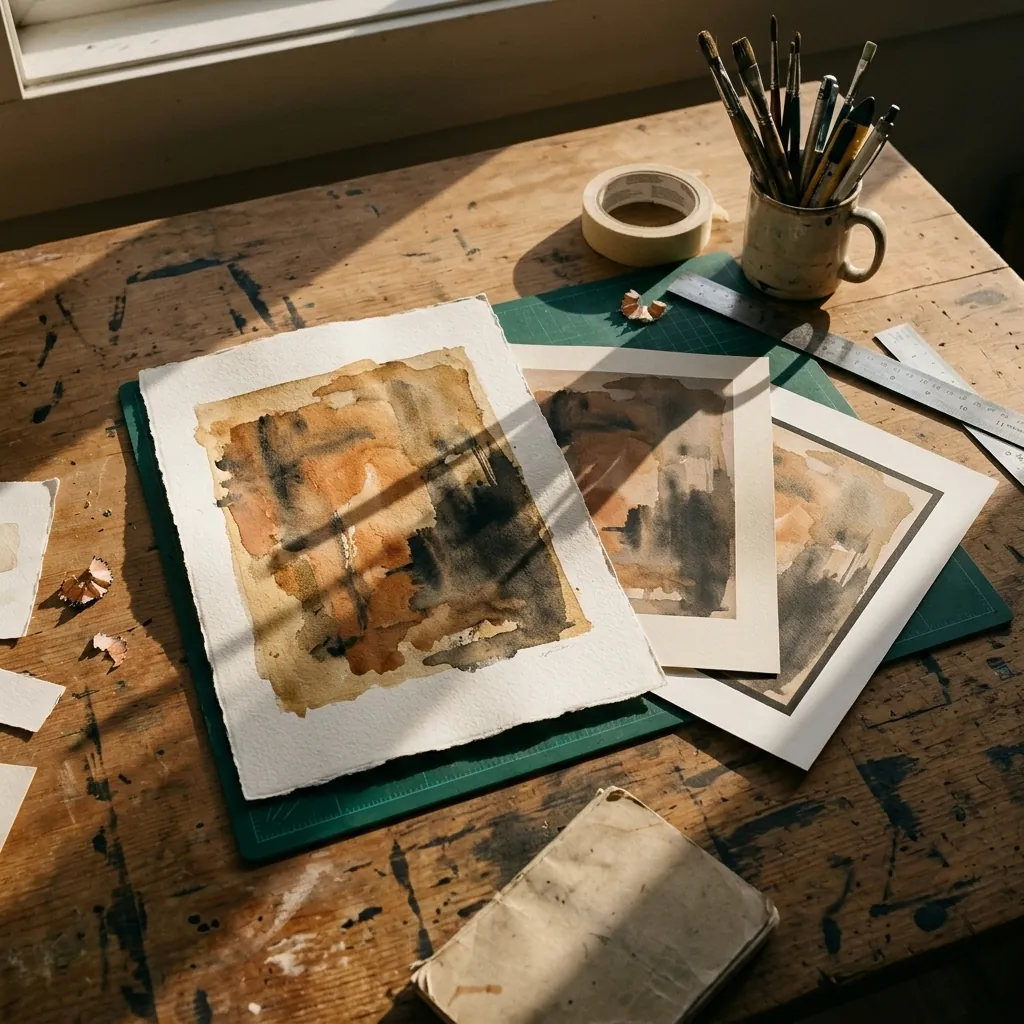
You find a product listing that looks like your illustration, photograph, or design, with a different background or a few altered details. The seller calls it AI-generated. Start by comparing the actual images and documenting the listing. You do not need to settle how it was made before recording what appears to have been taken.
The difficult cases are often not exact duplicates. A seller may change the colors, replace a character, redraw a section, or combine the image with other material. That can leave you unsure how to explain the relationship between the images. It helps to separate three questions: what appears to have been carried over, who controls the relevant rights, and which action you want the platform to take.
Keep the question of AI use in proportion. If the listing contains your actual photograph, the most useful starting point is the photograph and the listing. If the work merely evokes your style, the investigation needs a different level of care. Neither the seller’s AI label nor your suspicion of AI supplies the missing comparison.
Place the images side by side and record specific overlaps: the arrangement of objects, unusual shapes, line details, text, textures, repeated errors, or portions of a background. Keep your description separate from a general impression that the seller has adopted your aesthetic.
Illustrative example: an image changes a character’s clothing but repeats the same unusual three-window building, cracked paving stone, and hand position as your illustration. Mark those details on a comparison copy, while retaining the untouched originals. These are observations for review, not an automatic legal conclusion.
If the concern is only an artistic style, seek advice before asserting ownership over every similar image. Copyright’s treatment of particular expression differs from a claim to a broad idea; WIPO explains that distinction and the role of national law.
Make a clean comparison copy with your original on one side and the disputed image on the other. Number the details you want someone to examine and explain each number in a sentence. Show the full images before adding close-ups, so the viewer can understand where each detail sits in the composition.
If you crop, rotate, flip, or resize a comparison, label that change. An overlay may help you describe alignment, but retain the source images and state how the overlay was prepared. Avoid stretching one image until it resembles the other and then presenting that alignment as an unexplained fact.
Record clear differences too. They may help distinguish a transformed version from an independently composed image with similar subject matter. Your purpose is to make a disputed relationship inspectable, not to assemble only the details that favor your first impression.
In the first, a seller uses your product photograph but changes the background and adds new objects. Compare the object details, lighting features, and any distinctive marks in the original photograph; identify the exact photograph you control.
In the second, a seller offers a new landscape using the same broad color palette and subject matter as your portfolio. Begin by asking whether there are particular elements from a particular work to identify. If your complaint remains “it looks like my style,” get a qualified assessment before turning that feeling into a formal claim over the whole image. A comparison should clarify the issue, even when it does not resolve it in your favor.
Record the direct product URL, listing ID, shop handle, price, description, discovery date, and screenshots showing the item for sale. Save separate URLs for duplicates rather than only the shop homepage. Keep layered source files, sketches, raw photographs, exports, commission records, and dated correspondence that show how your work developed.
Check whether a client, employer, agency, stock site, or licensee has rights relevant to the use. If you use a reverse-image search, try the complete image and selected crops. A result is a lead to inspect; an empty search does not establish that no copies exist.
A finished image shows what you published; drafts and working files can help explain how it developed. Keep the original file structure and backups where available. Identify the project, creation period, and any collaborators rather than sending a folder of unexplained exports. A visible date is useful context, but do not describe a single editable timestamp as conclusive proof of ownership.
For commissioned work, check the agreement before assuming either that you retained every right or that the client owns everything. For licensed stock, textures, fonts, or collaborative elements, identify which portions are yours. Your claim should match the material you can represent.
If several shops are involved, create a listing log. Group suspected copies of the same original together, but preserve each product URL, shop name, item identifier, and observation date. Search results and shop homepages can change; they are less specific than the actual listing being reported.
On Etsy, use the intellectual property reporting instructions. Its portal is available worldwide, currently in US English, and requires the rights owner or an authorized representative. Register, add the relevant property, and submit the listing URLs. Etsy’s IP policy explains its notice process.
On Amazon, follow the infringement reporting instructions for the marketplace involved. On social platforms, use Instagram’s copyright form, TikTok’s copyright process, or YouTube’s copyright removal instructions when your claim concerns a work you own or are authorized to represent.
If the seller is also using your name, logo, or photograph to present the shop as yours, document that as a separate concern. A report about copied artwork should identify the work; an impersonation report should explain the false identity or affiliation.
A useful description is: “My original is [title and reference]. The listing at [URL] repeats [specific features]. The attached comparison marks those features, and these source records show my work’s creation. I am [the rights owner / authorized representative].” Include only statements you can support. This summary is supporting material, not a substitute for the platform’s legal notice fields.
Keep the report, acknowledgment, and outcome together. If a notice is rejected, check whether it identified the right property and exact listings. Etsy notes that sellers can submit DMCA counter notices and that it does not decide the underlying legal dispute. If one arrives, seek qualified advice promptly and follow the notice’s actual instructions rather than a generic deadline.
Read the response before deciding what it means. “This listing was removed” describes a platform action. “Your notice is incomplete” asks for a procedural correction. A counter notice or legal response raises a different issue and may require timely professional advice. Keep the exact message and its date.
If a seller says the work was independently generated, preserve that statement. It does not replace the visual comparison, and you do not need to speculate about private prompts. Focus on the identifiable original and the use you observed. If you choose to contact the seller, preserve the listing first and keep your request factual. Direct contact is not appropriate in every situation, especially where harassment or personal safety is a concern.
Decide whether you primarily want a listing removed, false attribution corrected, sales stopped, a license discussed, or compensation considered. A platform process may address some of those goals without addressing the others. It is possible for a listing to disappear while questions about prior sales or further distribution remain.
For a serious commercial dispute, bring a local adviser a concise packet: the original, creation and ownership records, annotated comparison, listing history, permissions, reports, and replies. Use the country directory to find the relevant starting points. Ask which country’s rules matter and what the next step would cost before committing to enforcement work.
The label “AI-generated” does not answer which elements were taken, what authorization exists, or which local rules and exceptions apply. Focus your report on the identified work and observed use. If you instead suspect training-data collection, follow the separate training guide; a similar output does not reveal the entire production history.
Your next step: create an annotated comparison and collect the exact listing URLs. Use the evidence packet and country help before submitting a formal claim or seeking compensation.